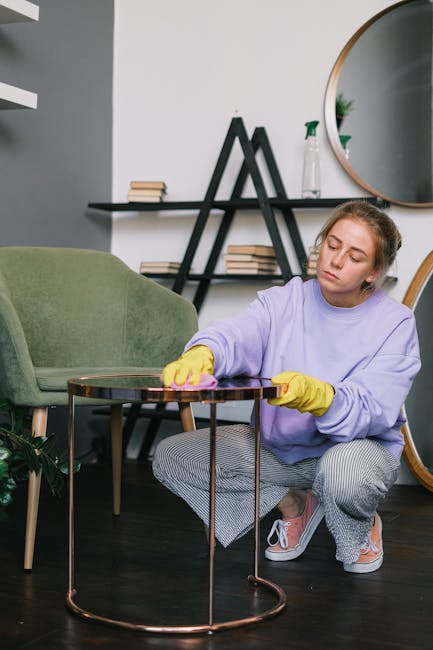
Warwick Road upholstery cleaning in Earls Court what to know
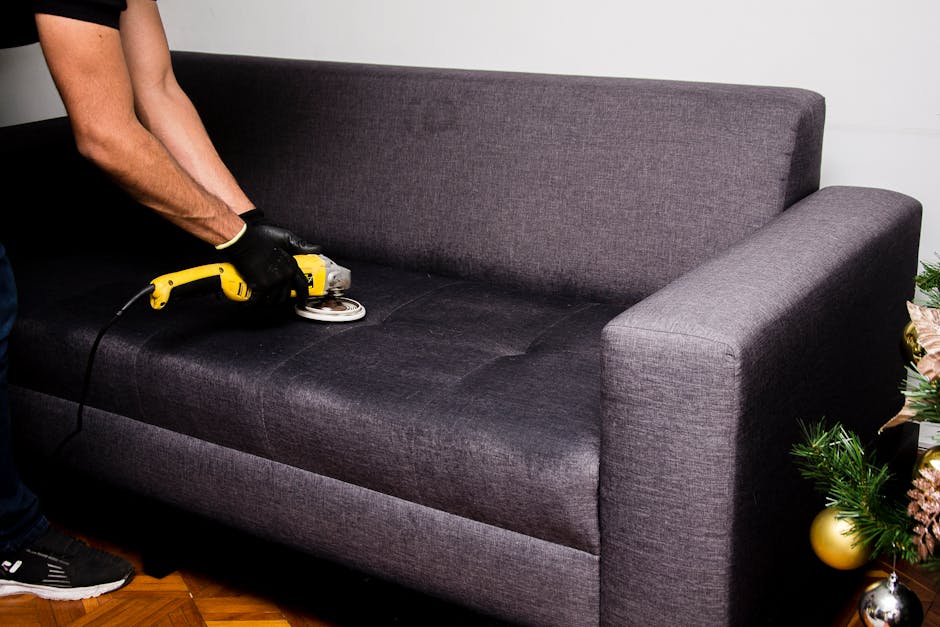
If you live or work near Warwick Road, upholstery cleaning can feel like one of those jobs you keep meaning to sort out, then notice the sofa arm is darker than you remember, the dining chair smells a bit musty, or the office waiting area has just quietly given up on looking fresh. Warwick Road upholstery cleaning in Earls Court what to know is really about making sensible choices: what needs cleaning, how different fabrics react, what a proper clean should include, and how to avoid making small stains turn into permanent marks. The good news? With the right approach, most upholstered furniture can be revived rather than replaced.
This guide walks through the practical side of the process, from methods and benefits to mistakes, compliance, and the questions people usually ask once they realise the job is more involved than a quick spray and wipe. Truth be told, that's often where the trouble starts.
Why Warwick Road upholstery cleaning in Earls Court what to know Matters
Upholstery is one of those parts of a property that quietly absorbs everyday life. Tea spills, pet hair, skin oils, foot traffic on armrests, and the general London dust that seems to appear whether windows are open or not. On Warwick Road, where homes and businesses often see a mix of residents, visitors, and regular use, fabric furniture can get tired faster than people expect.
The reason this matters is simple: upholstery does not just affect appearance. It affects comfort, odour, hygiene, and the overall impression of a room. A sofa may look fine from across the room, then you sit down and notice a stale smell or a rough patch from a previous stain. Not ideal. And if the fabric is delicate, using the wrong cleaning method can leave water marks, fibre distortion, or colour loss.
For households, a proper clean can help preserve furniture that still has plenty of life left. For landlords, hosts, and commercial premises near Earls Court, it can help keep interiors looking cared for. It is also useful after illness, after renovation dust has settled, or when moving in and wanting a genuinely fresh start. If you are already arranging a broader clean, it can make sense to combine upholstery work with a deeper property clean or pair it with professional sofa cleaning for the main seating area.
Expert summary: the best upholstery cleaning is not the most aggressive one. It is the one matched to the fabric, soil level, and drying conditions in your property.
How Warwick Road upholstery cleaning in Earls Court what to know Works
A proper upholstery clean usually starts with identification. That sounds obvious, but it is the bit people skip. Natural fibres, synthetic fabrics, velvet, microfibre, wool blends, and leather all behave differently. Some can take moisture well; others can shrink, spot, or bleed dye if they are treated carelessly.
In practice, the process often looks like this:
- Inspection - The cleaner checks fabric type, colourfastness, visible damage, and high-wear areas.
- Dry soil removal - Loose dust, crumbs, and pet hair are removed first. This matters more than people think.
- Pre-treatment - Stains and traffic lanes are treated with suitable products, often with a bit more dwell time on older marks.
- Agitation or fibre lifting - The fabric may be gently worked to help cleaning solution reach embedded dirt.
- Extraction or controlled cleaning - Depending on the method, soil is lifted out with moisture, foam, or low-moisture techniques.
- Spot review - Remaining marks are checked and treated again if safe to do so.
- Drying guidance - Airflow, room temperature, and use of the furniture are all considered.
For some items, upholstery cleaning is best approached as part of wider stain removal. That is especially true where there are food, drink, or pet stains that need more than a surface wipe. And if odour is part of the issue, a targeted service such as pet stain and odour removal may be the more sensible route.
The main thing to know is that a cleaner should not guess. If they are unsure about fibre type, the safer move is to test a small hidden area first. A neat result comes from restraint, not bravado.
Key Benefits and Practical Advantages
There is a practical side to upholstery cleaning that goes beyond "it looks nicer." On Warwick Road, where homes may be busy and space is often used hard, the advantages are easy to notice once the work is done.
- Better appearance - Colours look brighter and the room feels more cared for.
- Reduced odours - Fabric that has absorbed cooking smells, pets, or damp air can smell cleaner after treatment.
- Improved comfort - Clean fibres feel softer and less gritty.
- Longer furniture life - Dirt is abrasive; removing it can slow wear.
- Improved presentation - Useful for viewings, guests, tenants, clients, or staff.
- More hygienic surfaces - Especially helpful for high-touch furniture like sofas, dining chairs, and office seating.
There is also the money side. Replacing a sofa, set of dining chairs, or office waiting furniture can be expensive. Cleaning is not magic, and it will not fix broken frames or torn fabric, but it can stretch the value of what you already own. That alone makes it worth considering before you decide a piece is "done."
If the furniture is part of a property refresh, you might also want to look at regular cleaning for ongoing upkeep or one-off cleaning when the place needs a proper reset.
Who This Is For and When It Makes Sense
Not every upholstered item needs a specialist clean immediately, but some situations make it a very good idea.
You will usually benefit from upholstery cleaning if you are:
- a homeowner wanting to freshen up a sofa, armchair, or dining chairs
- a tenant preparing for a move or trying to leave a property in better condition
- a landlord or letting agent checking presentation before new occupancy
- a host or short-let operator aiming to keep interiors guest-ready
- a business owner with reception seating, office chairs, or waiting room furniture
- someone dealing with pets, food spills, smoke odours, or everyday grime
It also makes sense if the room feels clean, but the furniture doesn't. That mismatch happens a lot. Floors, windows, and surfaces may be fine, yet the sofa still gives the room a slightly tired feel. In a flat or townhouse near Earls Court, where natural light can change the way fabric looks throughout the day, you may only really notice the dullness on a bright afternoon. Funny how that works.
On the commercial side, upholstery cleaning can sit alongside commercial cleaning or office cleaning when seating areas and meeting rooms need attention as well as desks and floors. For domestic properties, it often fits neatly with domestic cleaning or house cleaning.
Step-by-Step Guidance
If you want the best outcome, it helps to think ahead. The clean itself is only part of the job. The prep and aftercare matter too.
1. Identify the fabric
Check labels, care tags, or manufacturer notes if you have them. If not, look closely at the weave and texture, but do not rely on guesswork. Velvet, wool-rich fabrics, and mixed fibres can need gentle handling. Leather usually needs a separate approach entirely.
2. Decide what needs attention
Is it a general refresh, a specific stain, an odour issue, or heavily soiled traffic areas? This changes the method and time needed. A coffee ring on one cushion is not the same as a full sofa reset.
3. Clear the area
Move fragile items, cushions, throws, and small side furniture out of the way. The cleaner will usually need room to work around the piece and enough airflow for drying.
4. Ask for a test clean if needed
If the upholstery is older, delicate, or faintly suspect in colourfastness, a patch test is sensible. It is a small step that can prevent a lot of regret. No one wants a nice pale armchair turning into a striped experiment.
5. Confirm the method
Hot water extraction, low-moisture cleaning, foam-based methods, or dry techniques all have their place. The right one depends on the fabric and the condition of the furniture.
6. Allow proper drying
Do not rush back onto the furniture if it is still damp. Good airflow helps, and so does patience. That may sound dull, but damp upholstery can trap odour or attract fresh dirt quickly.
7. Keep on top of maintenance
A quick vacuum and prompt spot treatment will usually extend the result. If the piece is heavily used, schedule a maintenance clean before the fabric gets visibly shabby again.
For older pieces, or items that sit near windows, it can also be worth asking about curtain cleaning or window cleaning as part of the same visit. Fresh upholstery in a dusty room is a bit like polishing one shoe and leaving the other muddy.
Expert Tips for Better Results
These are the kinds of details that usually separate an average result from a good one.
- Vacuum before the cleaner arrives. It saves time and helps remove grit that can drag through fibres.
- Blot, don't rub. Rubbing spreads stains and can roughen the fabric surface.
- Tell the truth about the stain. If you used a supermarket spray, say so. Mixed chemicals can affect results.
- Be honest about pets and smoking. Odour removal works better when the source is clear.
- Protect the area after cleaning. Keep shoes, drinks, and food away until it is fully dry.
- Check the room temperature. Cold, stagnant rooms dry slowly. Open a window if suitable.
If you are choosing between tackling a small mark yourself or booking help, ask a simple question: do you know what the fabric can tolerate? If the answer is no, that is usually your sign to stop improvising. A mild quirk of upholstery is that it often looks tougher than it really is.
For stubborn marks, it may be worth combining upholstery work with steam carpet cleaning or targeted mattress cleaning if the same room needs a fuller hygiene reset.
Common Mistakes to Avoid
Most upholstery damage from cleaning is avoidable. That is the good news. The less good news? It usually happens because someone is in a hurry.
- Using too much water - This can lead to long drying times, rings, and internal damp.
- Skipping the test spot - Especially risky on dyed, vintage, or mixed-fibre fabrics.
- Over-wetting stains - Some marks spread when you chase them too hard.
- Using the wrong product - Bleach, harsh detergents, and strong solvents can ruin finishes.
- Ignoring the cause of the stain - Treating the mark without addressing the source often means it comes back.
- Cleaning only the visible patch - This can leave tide marks or uneven colour.
One of the more common mistakes is assuming all "fabric sofa cleaning" is the same. It is not. A flat weave office chair, a plush sofa, and a wool armchair need different handling. If someone promises one universal method for everything, be cautious.
Another small but important one: don't use heat to rush drying unless the fabric is known to tolerate it. Heat can set some stains and distort delicate fibres. Better to air dry properly, even if it takes a bit longer.
Tools, Resources and Recommendations
You do not need a house full of gadgets, but a few practical tools help if you are managing upholstered furniture between professional visits.
- Vacuum with upholstery attachment - Helps remove dust and hair from seams and cushions.
- White absorbent cloths - Useful for blotting spills without transferring dye.
- Soft brush - Helpful for lifting pile gently, but use lightly.
- Fans or good airflow - Useful for drying after cleaning.
- Spot-testing mindset - Not a physical tool, granted, but it saves a lot of grief.
From a service standpoint, it is sensible to compare upholstery care with adjacent work. For example, if the room also has rugs or soft furnishings, you may want to combine it with rug cleaning and carpet cleaning. That gives a much more even finish to the room, which people notice even if they cannot explain why.
If the furniture is in a workplace or shared building, communal area cleaning can be a practical companion service, especially for reception seating or shared waiting spaces. And if the issue is linked to a bigger refresh, after builders cleaning can help remove the fine dust that settles into fabric after renovation work.
Law, Compliance, Standards, or Best Practice
For upholstery cleaning, the main compliance concern is usually not a specific law about sofas. It is the broader duty to work safely, use products correctly, and avoid damage to property or health. In the UK, good practice usually means checking cleaning labels, using chemicals carefully, and following sensible health and safety procedures.
If you are hiring a professional, it is reasonable to ask how they approach insurance, safety, and staff training. You do not need a lecture, just clear answers. A reputable provider should be able to explain how they handle property protection, chemical use, and access arrangements. Pages such as insurance and safety and the company's health and safety policy are useful places to look for that sort of reassurance.
Another good sign is transparent trading information, including terms and conditions, privacy policy, and payment and security information. That might sound a bit formal for a sofa clean, but let's face it, trust matters when someone is working inside your home or business.
If you have a concern after a visit, a clear complaints procedure is also worth knowing about. Not because you expect trouble, but because good businesses make it easy to sort things out if something is not right.
Options, Methods, or Comparison Table
There is no single best method for every piece of upholstery. The right choice depends on fabric, soil level, drying time, and whether the priority is deep cleaning or light refreshment.
| Method | Best for | Pros | Watch-outs |
|---|---|---|---|
| Hot water extraction | Durable fabric sofas and chairs with embedded dirt | Strong soil removal, good for heavy use | Can over-wet delicate fabrics if used badly |
| Low-moisture cleaning | General refreshes, faster drying needs | Quicker turnaround, lower saturation | May be less effective on very deep grime |
| Foam or encapsulation | Light to moderate soiling | Useful for maintenance cleans | Not always enough for old stains |
| Dry cleaning methods | Delicate fabrics and moisture-sensitive items | Gentler on certain materials | Limited on heavy staining or odours |
In real life, the best result often comes from a mixed approach. A cleaner may vacuum, spot treat, use a low-moisture pass on the main body, and then deal with stubborn marks by hand. That is normal. It should be tailored, not rushed.
Case Study or Real-World Example
Picture a family flat near Warwick Road. The sofa looks fine at a glance, but the arms are darker, the middle seat has a faint food mark, and there is a lingering smell after a winter of closed windows and regular takeaway dinners. Nothing dramatic. Just one of those quietly tired pieces that makes the room feel less fresh than it should.
In a case like that, the sensible approach is usually to inspect the fabric, vacuum thoroughly, pre-treat the visible mark, and clean the whole seating area rather than only the stain. Why? Because spot-only treatment often leaves a patch that is cleaner than the rest of the sofa. That can look worse than the original problem. A whole-piece clean gives a more even finish.
After cleaning, the family might open windows for a short period, keep the room lightly heated, and avoid sitting on the sofa until it is properly dry. Later that evening, the room feels brighter and somehow less heavy. It is a small change, but in a busy Earls Court home, small changes matter. They really do.
In another scenario, a small office near Warwick Road may arrange upholstery cleaning alongside commercial carpet cleaning to freshen the whole client-facing area before a new quarter begins. That kind of pairing is efficient and, from a presentation point of view, makes perfect sense.
Practical Checklist
Use this simple checklist before booking or carrying out upholstery cleaning.
- Identify the furniture type and fabric if possible
- Note all visible stains, odours, and wear areas
- Check whether the item has care instructions
- Decide if you need a one-off refresh or ongoing maintenance
- Clear the surrounding space for access
- Ask whether a test area is recommended
- Confirm the expected drying time
- Keep pets and children away from damp furniture
- Have a follow-up plan for stubborn stains
- Combine the job with any other room cleaning that makes sense
Quick reminder: if the piece has sentimental value, vintage fabric, or an unknown finish, err on the cautious side. A careful clean is always better than an ambitious one.
Conclusion
Warwick Road upholstery cleaning in Earls Court what to know comes down to a few straightforward ideas: know your fabric, choose the right method, avoid over-wetting, and make sure the job is handled with care. Whether you are dealing with a well-used family sofa, office chairs, or a favourite armchair that has simply lost its spark, the right cleaning approach can make a noticeable difference without forcing you to replace perfectly good furniture.
If you are deciding whether to book in now or wait a bit longer, ask yourself one thing: is the furniture still structurally good, but just looking and smelling tired? If yes, cleaning is probably the smart move. Small details like that can lift an entire room. And to be fair, it is satisfying when a piece comes back to life instead of heading for the skip.
Get a free quote today and see how much you can save.
Sometimes the most practical improvement is also the one that feels best when you sit down at the end of the day.
Frequently Asked Questions
How often should upholstery be professionally cleaned?
It depends on use. A family sofa, pet-friendly home, or busy office seating area may need cleaning more often than lightly used furniture. In general, the more traffic and the more spills, the sooner it makes sense.
Can all upholstery fabrics be steam cleaned?
No. Some fabrics handle moisture well, while others are more delicate or colour-sensitive. A proper inspection should happen first so the cleaner can choose the safest method.
Will upholstery cleaning remove old stains?
Sometimes yes, sometimes partially, and sometimes not fully. The age of the stain, the fabric type, and any previous DIY treatments all affect the outcome. Old marks are always harder.
How long does upholstery take to dry?
Drying time depends on the method used, the fabric, the room temperature, and airflow. Low-moisture methods usually dry faster, while more intensive cleaning can take longer.
Is upholstery cleaning worth it for an older sofa?
Often yes, if the frame and fabric are still in decent condition. A clean can improve appearance and comfort, but it will not fix structural damage or severe fabric wear.
What should I do before the cleaner arrives?
Remove loose items, vacuum if you can, and point out any stains or delicate areas. If possible, share anything you know about the fabric or previous cleaning products used.
Can upholstery cleaning help with pet smells?
It can help a lot, especially when paired with targeted odour treatment. The source of the smell matters, though, so honest information about pets or accidents is important.
Is it safe to clean upholstery in a rented flat?
Usually yes, but it is wise to use a cautious method and keep records if you are worried about tenancy handover. If in doubt, talk through fabric care before any work starts.
Should I clean upholstery and carpets at the same time?
Often that is the most efficient option. It creates a more even finish across the room and can save time if both surfaces are looking tired.
What if my upholstery has a care label but I do not understand it?
That happens more than people admit. If the label is unclear, ask a professional to interpret it rather than guessing. A cautious approach protects the fabric.
How do I know if a cleaner is trustworthy?
Look for clear communication, sensible expectations, and useful information about the company background, insurance and safety, and policies such as terms and conditions. Straight answers usually tell you a lot.
Can upholstery cleaning be part of a wider property clean?
Yes, and that is often the smartest way to do it. It pairs well with services like one-off cleaning, end of tenancy cleaning, or move-in cleaning when the whole property needs attention.